UPI, cards and cash: how payment works on a vending machine in India
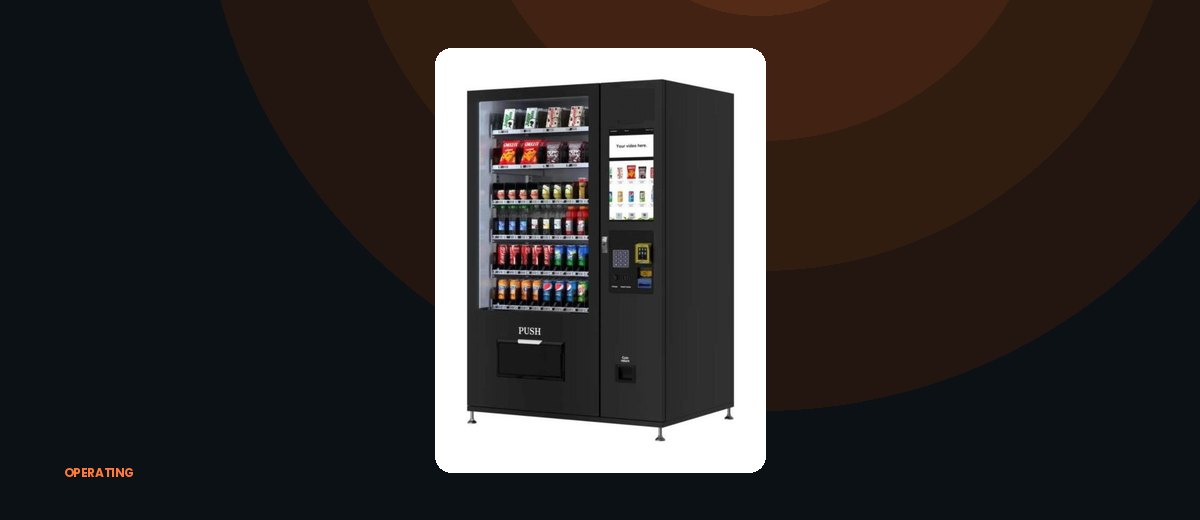
For most of vending's history in India the limiting factor was cash: machines needed coins, customers rarely had the right ones, and operators spent their week emptying hoppers. UPI removed that constraint almost entirely, and it changed which sites are viable.
The options, and what each one costs you
UPI and QR
The default. The machine displays a QR code, the customer pays from their phone, the transaction confirms and the product dispenses. Cheap to fit, nothing mechanical to jam, nothing to collect. On most Indian sites this alone will carry the large majority of transactions.
Card readers
Chip, swipe and contactless. Worth fitting where you have international visitors or corporate cards — airports, hotels, hospitals, premium retail. Adds cost but very little service burden.
NFC and mobile wallets
Tap-to-pay from a phone or card. Usually part of the same reader rather than a separate decision.
Bill acceptors and coin changers
Mechanical, and the most failure-prone components in any vending machine. A worn or dusty note jams. A coin changer runs out of change and starts refusing transactions. They also create a cash-handling job — someone has to open the machine, count, reconcile and bank.
The recommendation we give almost everybody
Fit UPI and a card reader. Leave the cash hardware out unless you have a concrete reason to include it.
This is not a cost-cutting suggestion. Removing cash removes your most common service call, your reconciliation work, and the risk of a machine being broken into for the float. If you discover you need cash later, it can be added.
When cash genuinely is needed
- Factory floors where phones are not carried for safety or policy reasons.
- Sites with unreliable connectivity — UPI needs a working data connection at the machine.
- Locations serving customers who do not use smartphones, which in some community and transit sites is a genuine share.
- Water ATMs and community machines, where small coin payments are the established habit.
Connectivity is the dependency people forget
Cashless payment and remote monitoring both need the machine online. Decide early whether that is site WiFi or a SIM in the machine. WiFi is free but depends on somebody's IT team and a password that may change. A SIM costs a little monthly and is yours to control — on a machine you do not visit daily, that is usually worth it.
Test the signal where the machine will stand, not at the entrance. Basement corridors, lift lobbies and service areas — exactly the places that make good vending sites — are often exactly where mobile signal fails. Five minutes with a phone before delivery day prevents a machine that cannot take payment.
Payment is specified per machine, so two machines on the same site can be configured differently. Tell us about the location and the people using it, and we will tell you what to fit — and what to leave out.