Is a vending machine business profitable in India? An honest look
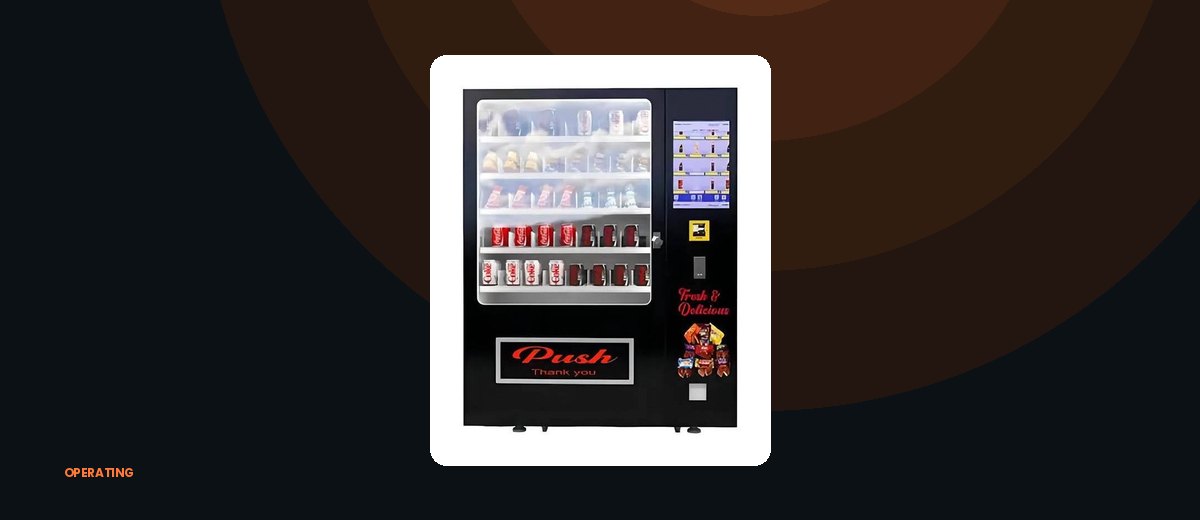
Yes, vending machines can be profitable in India, and plenty are. But the category has a reputation problem caused by a specific pattern: people buy a machine, place it where there was space rather than where there was demand, restock it irregularly, and conclude that vending does not work. The machine was never the variable.
The four things that decide it
Footfall, and specifically dwell time
Raw footfall matters less than whether people are standing still. A thousand people walking briskly past a machine on their way out of a building will buy less than two hundred people waiting for a lift, a consultation or a shift change. The best vending sites are places where people are mildly bored.
What else is within fifty metres
A machine twenty steps from a canteen competes with the canteen and loses. The same machine on the third floor of the same building, where the canteen is a lift ride away, does well. Survey the floor, not the building.
Product mix, revised
Your opening planogram will be wrong. Everybody's is. What separates a profitable machine from a marginal one is whether somebody looks at the sales data after three weeks and changes it. Cloud-connected machines make this trivial; machines nobody checks drift into selling four products well and twenty-six badly.
Service discipline
An empty selection is lost revenue; a machine that is half empty teaches people to stop looking. This is the single most common cause of commercial failure, and it is entirely within your control.
The honest arithmetic
We are not going to print a revenue table, because any number we invented would be more misleading than useful — the spread between a good site and a poor one is several hundred per cent. What we can tell you is the shape of it. Your monthly contribution from a machine is:
- transactions per day, times gross margin per transaction, times thirty;
- minus your restocking cost, which is mostly somebody's time and travel;
- minus service and consumables;
- minus site rent or revenue share, if the location charges one.
That last line catches people out. Many commercial locations in India now expect either a fixed monthly rent for the floor space or a percentage of sales. Negotiate it before you deliver the machine, not after.
Where the model works best
- 24-hour sites — hospitals, IT campuses, factories with night shifts. The machine sells when nothing else is open, which is exactly when margin is highest.
- Captive populations — hostels, residential complexes, campuses where leaving the premises is inconvenient.
- Waiting areas — hospital visitor zones, transit, service centres.
- Sites with no alternative — remote offices, factories without a canteen.
Where it reliably disappoints
Quiet office corridors in buildings that empty at seven. Locations chosen because the space was free. Anywhere adjacent to a well-run canteen. And any site where nobody has agreed, in advance and in writing, who is responsible for restocking.
We will tell you if we think your site is wrong. It costs us an order and saves you considerably more. A machine that sits idle does not just lose money — it convinces the owner that the whole category is a bad idea, which is a far more expensive conclusion than one wrong placement.