Hot food vending machines: feeding a night shift without a canteen
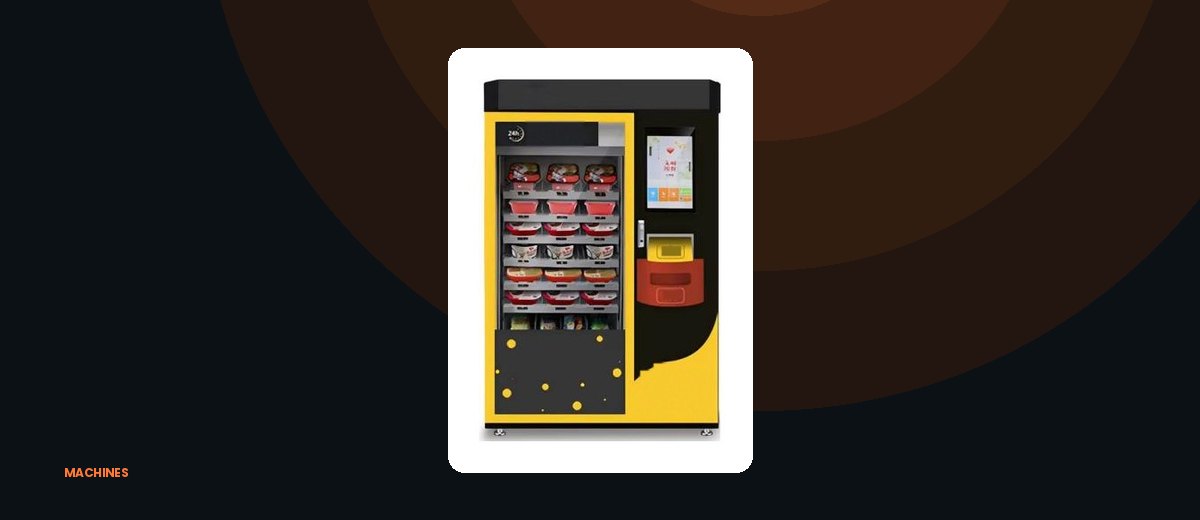
A hot food machine holds meals chilled or frozen, heats one in a built-in microwave when somebody buys it, and hands it over hot — with nobody on site. On a 24-hour campus or a factory running night shifts, that is the difference between staff eating properly and staff not eating.
Automatic or manual heating
The automatic build moves the tray into the microwave itself, runs the programme for that product, and delivers the hot meal to the pickup port. The whole cycle is unattended.
The manual build presents the meal cold alongside customer-operated ovens — the customer takes their meal and heats it themselves. It is cheaper, simpler and easier to service, and on a site with regular users who understand the routine it works perfectly well.
Automatic is the better experience and the more expensive machine, with more to go wrong. Manual is the pragmatic choice for a staff canteen replacement where the same people use it every day.
Single or double oven
At a lunch peak, throughput matters more than capacity. A machine with one oven serves one customer at a time while a queue forms; two ovens roughly double the rate. On a site with a concentrated meal break, the second oven is usually the better spend than extra shelf capacity.
Chilled or frozen storage
Chilled suits a daily fresh-meal supply — a kitchen delivers in the morning, unsold stock comes out at end of day. Frozen suits a longer stock cycle with far less waste, at the cost of meal quality that most users accept and some do not.
The deciding question is whether you have a reliable daily meal supplier. If you do, chilled. If your supply is weekly or uncertain, frozen will waste far less food.
The parts people underestimate
Packaging compatibility
Your meal trays have to be microwave-safe, the right size for the shelf pitch, and sealed in a way that survives heating. Settle the packaging format with your meal supplier before you order the machine, because shelf pitch is specified to it.
Food safety records
A machine holding chilled food needs continuous temperature logging, and you will want that data if you are ever asked for it. Cloud-connected machines record it automatically; make sure yours does, and that somebody can retrieve it.
Licensing
Dispensing prepared food has its own regulatory requirements in India, and they sit with whoever is selling the food — which may be you rather than us. Check what applies to your operation before you place the machine, not after.
Where it earns
24-hour IT campuses, hospitals and visitor areas, factories with night shifts, highway stops, hostels, and remote sites with no canteen. The common thread is not footfall — it is the absence of an alternative at the hour people are hungry.
This is the most service-intensive machine in the range. Refrigeration, a microwave and a mechanical handling system, all cycling continuously. Budget for a proper service plan rather than treating it as optional — a hot food machine with nobody maintaining it fails in a way that is both expensive and, with food inside, unpleasant.
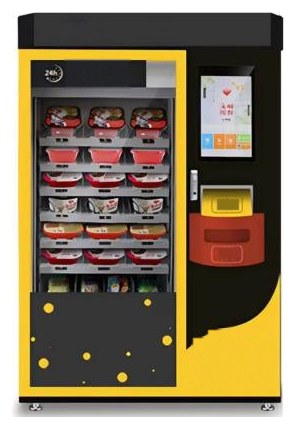
Hot Food Vending Machine
Meals held chilled or frozen, heated in a built-in microwave and handed over hot. A canteen that runs at 3 a.m.
See the machine